Lung Cancer
Lung Cancer
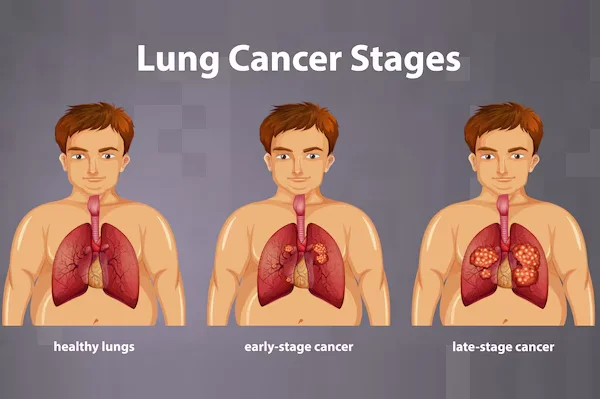
Lung Cancer is one of the most serious and potentially life-threatening respiratory diseases affecting millions of people worldwide. It develops when abnormal cells in the lungs grow uncontrollably and form tumors that interfere with normal lung function. Lung cancer can affect breathing, oxygen supply, and overall health, and if not diagnosed early, it may spread to other parts of the body. Early detection, accurate diagnosis, and timely treatment play a crucial role in improving survival rates and treatment outcomes.
Common symptoms such as persistent cough, coughing blood, chest pain, unexplained weight loss, breathlessness, or recurrent lung infections should never be ignored, especially in smokers or individuals exposed to pollution and harmful chemicals.
Dr. Gurmeet Singh Chabbra, a highly experienced Pulmonologist and Sleep Medicine Specialist with more than 22 years of expertise, specializes in the diagnosis and management of Lung Cancer and complex respiratory disorders. He has worked with some of India’s leading healthcare institutions including Marengo Asia Hospital, Fortis Escorts Hospital, Indraprastha Apollo Hospital, AIIMS Delhi, and LRS Institute of TB & Respiratory Diseases.
With extensive expertise in advanced pulmonary procedures such as Bronchoscopy, EBUS-TBNA, Thoracoscopy, TBLB Biopsy, CT-guided procedures, and respiratory critical care, Dr. Chabbra provides comprehensive and evidence-based lung cancer evaluation and treatment support focused on accurate diagnosis, early intervention, symptom relief, and improved quality of life.
What is Lung Cancer?
Lung Cancer occurs when abnormal cells in the lungs multiply uncontrollably and form tumors. These cancerous cells can damage healthy lung tissue and interfere with the normal functioning of the respiratory system.
Lung cancer generally begins in:
- Airways (bronchi)
- Lung tissues
- Air sacs
- Pleura (lining around the lungs)
If left untreated, cancer cells can spread to nearby lymph nodes and other organs such as the liver, brain, bones, or adrenal glands.
Types of Lung Cancer
Non-Small Cell Lung Cancer (NSCLC)
This is the most common type of lung cancer and includes:
- Adenocarcinoma
- Squamous Cell Carcinoma
- Large Cell Carcinoma
Small Cell Lung Cancer (SCLC)
A faster-growing and more aggressive form of lung cancer often associated with smoking.
Secondary (Metastatic) Lung Cancer
Cancer that spreads to the lungs from another part of the body.
Causes and Risk Factors of Lung Cancer
Several factors can increase the risk of developing lung cancer, including:
Smoking
The leading cause of lung cancer. Both active and passive smoking significantly increase risk.
Air Pollution
Long-term exposure to polluted air and harmful environmental toxins.
Occupational Exposure
Exposure to:
- Asbestos
- Silica dust
- Industrial chemicals
- Radon gas
- Heavy metals
Family History
A genetic predisposition may increase susceptibility.
Chronic Lung Diseases
Conditions such as COPD, pulmonary fibrosis, and tuberculosis may increase lung cancer risk.
Radiation Exposure
Previous chest radiation therapy can contribute to lung cancer development.
Common Symptoms of Lung Cancer
Symptoms may vary depending on the stage and type of cancer. Common warning signs include:
- Persistent cough lasting several weeks
- Coughing blood (Hemoptysis)
- Shortness of breath
- Chest pain
- Hoarseness of voice
- Unexplained weight loss
- Fatigue and weakness
- Recurrent chest infections
- Wheezing
- Loss of appetite
- Swelling in the face or neck
- Bone pain in advanced stages
Early symptoms are often mild and may be ignored, making regular evaluation extremely important for high-risk individuals.
Advanced Diagnosis of Lung Cancer
Early and accurate diagnosis is essential for effective treatment planning. Dr. Gurmeet Singh Chabbra uses advanced diagnostic tools and minimally invasive pulmonary procedures for comprehensive lung cancer evaluation.
Diagnostic tests may include:
High-Resolution CT Scan (HRCT Chest)
Provides detailed imaging of lung tissues and abnormalities.
Chest X-ray
Used for initial evaluation of suspicious lung lesions.
Bronchoscopy
A flexible scope is inserted into the airways to visualize abnormalities and obtain tissue samples.
EBUS-TBNA (Endobronchial Ultrasound-Guided Biopsy)
Advanced procedure used to evaluate lymph nodes and diagnose lung cancer accurately.
CT Guided Lung Biopsy
Used to obtain tissue samples from deep lung lesions.
Thoracoscopy
Allows examination of pleural diseases and collection of biopsy samples.
PET Scan
Helps determine the spread and staging of cancer.
Pulmonary Function Tests (PFT)
Evaluates lung capacity before treatment planning.
Pleural Fluid Analysis
Performed when fluid accumulation is present around the lungs.
Staging of Lung Cancer
Lung cancer staging helps determine the severity and spread of disease:
- Stage I – Localized small tumor
- Stage II – Spread to nearby tissues or lymph nodes
- Stage III – Advanced local spread
- Stage IV – Cancer spread to distant organs
Early-stage lung cancer has better treatment outcomes compared to advanced stages.
Treatment for Lung Cancer
Treatment depends on:
- Type of lung cancer
- Cancer stage
- Patient’s overall health
- Lung function
- Extent of spread
Surgical Treatment
Early-stage tumors may be surgically removed.
Chemotherapy
Uses anti-cancer medications to destroy cancer cells.
Radiation Therapy
High-energy radiation is used to target cancer cells.
Targeted Therapy
Specialized treatment targeting specific genetic mutations in cancer cells.
Immunotherapy
Boosts the body’s immune system to fight cancer.
Bronchoscopic Interventions
Advanced pulmonary procedures may help relieve airway obstruction and improve breathing.
Pleural Procedures
Management of pleural effusion or recurrent fluid accumulation.
Palliative and Supportive Care
Focused on symptom relief, breathing comfort, and quality of life improvement.
Advanced Pulmonary Procedures by Dr. Gurmeet Singh Chabbra
Dr. Chabbra has extensive expertise in advanced respiratory interventions including:
- Bronchoscopy
- EBUS-TBNA
- Thoracoscopy
- CT Guided Procedures
- TBLB Biopsy
- Pleural Procedures
- Respiratory Critical Care
These advanced diagnostic techniques help in early and precise lung cancer diagnosis.
Importance of Early Lung Cancer Detection
Early diagnosis can:
- Improve survival rates
- Increase treatment success
- Reduce complications
- Prevent cancer spread
- Improve quality of life
Individuals with smoking history, chronic cough, or suspicious chest imaging should seek immediate pulmonary evaluation.
Complications of Untreated Lung Cancer
Without timely treatment, lung cancer may lead to:
- Severe breathing difficulty
- Respiratory failure
- Recurrent infections
- Pleural effusion
- Cancer spread to other organs
- Weight loss and weakness
- Airway obstruction
- Severe chest pain
- Reduced life expectancy
Early medical intervention significantly improves outcomes.
Why Choose Dr. Gurmeet Singh Chabbra for Lung Cancer Care?
More Than 22 Years of Experience
Expertise in Pulmonology, Sleep Medicine, Respiratory Diseases, and Critical Care.
Advanced Lung Cancer Diagnostic Expertise
Specialized in:
- Bronchoscopy
- EBUS-TBNA
- Thoracoscopy
- CT Guided Lung Procedures
- Pulmonary Biopsies
Association with Leading Hospitals
Worked at:
- Marengo Asia Hospital
- Fortis Escorts Hospital
- Indraprastha Apollo Hospital
- AIIMS Delhi
- LRS Institute of TB & Respiratory Diseases
Comprehensive Respiratory Care
Expert management of:
- Lung Cancer
- COPD
- Asthma
- ILD
- Pleural Diseases
- Tuberculosis
- Sleep Disorders
Evidence-Based and Personalized Treatment
Customized treatment plans focused on accurate diagnosis and patient well-being.
Compassionate Patient Care
Dedicated to providing emotional support, symptom relief, and long-term respiratory care.
Prevention Tips for Lung Cancer
- Avoid smoking and tobacco use
- Avoid passive smoking
- Reduce exposure to pollution and chemicals
- Use protective equipment in hazardous workplaces
- Maintain regular lung health check-ups
- Seek medical evaluation for persistent respiratory symptoms
- Maintain healthy lifestyle habits
Frequently Asked Questions (FAQs)
1. What are the early signs of lung cancer?
Persistent cough, breathlessness, chest pain, coughing blood, unexplained weight loss, and fatigue may be early signs.
2. Is smoking the only cause of lung cancer?
No, lung cancer can also occur due to pollution, occupational exposure, genetic factors, and chronic lung diseases.
3. Can lung cancer be cured?
Early-stage lung cancer can often be treated successfully with surgery, chemotherapy, radiation, or targeted therapies.
4. How is lung cancer diagnosed?
Diagnosis involves CT scans, bronchoscopy, EBUS-TBNA, biopsies, PET scans, and other advanced investigations.
5. What is EBUS-TBNA?
EBUS-TBNA is an advanced minimally invasive procedure used to diagnose lung cancer and evaluate lymph nodes inside the chest.
6. When should I consult a pulmonologist?
You should seek medical consultation if you have persistent cough, coughing blood, breathlessness, or abnormal chest imaging.
7. Can non-smokers develop lung cancer?
Yes, non-smokers may develop lung cancer due to pollution, passive smoking, occupational exposure, or genetic factors.
8. Is lung cancer treatment painful?
Modern treatment methods and supportive care help minimize discomfort and improve patient comfort during treatment.