CPAP Or BIPAP Therapy
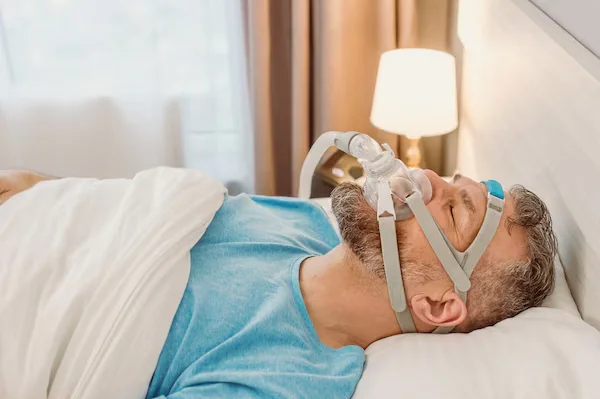
CPAP Or BIPAP Therapy
CPAP and BiPAP Therapy are highly effective non-invasive respiratory support treatments used for patients suffering from sleep-related breathing disorders, chronic respiratory diseases, and breathing difficulties caused by lung or airway problems. These therapies help patients breathe comfortably, maintain proper oxygen levels, improve sleep quality, and reduce the risk of serious complications associated with respiratory insufficiency and sleep apnea.
Many individuals suffer from conditions such as Obstructive Sleep Apnea (OSA), Chronic Obstructive Pulmonary Disease (COPD), obesity-related breathing disorders, respiratory failure, and neuromuscular diseases that interfere with normal breathing, especially during sleep. Without proper treatment, these conditions can lead to fatigue, heart problems, low oxygen levels, poor concentration, and severe respiratory complications.
Dr. Gurmeet Singh Chabbra, a highly experienced Pulmonologist and Sleep Medicine Specialist with over 22 years of expertise, specializes in advanced respiratory care and non-invasive ventilation therapies including CPAP and BiPAP Therapy. He has worked with leading healthcare institutions such as Marengo Asia Hospital, Fortis Escorts Hospital, Indraprastha Apollo Hospital, AIIMS Delhi, and LRS Institute of TB & Respiratory Diseases.
With extensive experience in Sleep Medicine, Pulmonology, Critical Care, Polysomnography (Sleep Study), and respiratory disease management, Dr. Chabbra provides personalized and evidence-based respiratory support solutions to improve breathing, sleep quality, and overall health.
What is CPAP Therapy?
CPAP (Continuous Positive Airway Pressure) Therapy is a non-invasive treatment that delivers a constant flow of air through a mask to keep the airway open during sleep.
It is most commonly used for:
- Obstructive Sleep Apnea (OSA)
- Snoring disorders
- Mild to moderate sleep-related breathing disorders
CPAP therapy prevents airway collapse, allowing uninterrupted breathing and better oxygen supply during sleep.
What is BiPAP Therapy?
BiPAP (Bilevel Positive Airway Pressure) Therapy is another advanced non-invasive ventilation therapy that provides two different levels of air pressure:
- Higher pressure during inhalation
- Lower pressure during exhalation
BiPAP is often recommended for patients who have difficulty exhaling against continuous pressure or suffer from severe respiratory conditions.
BiPAP Therapy is commonly used for:
- Severe Sleep Apnea
- COPD
- Respiratory Failure
- Obesity Hypoventilation Syndrome
- Neuromuscular Disorders
- Advanced lung diseases
Difference Between CPAP and BiPAP Therapy
CPAP Therapy
- Provides one constant air pressure
- Mainly used for Obstructive Sleep Apnea
- Helps maintain open airways during sleep
BiPAP Therapy
- Provides two pressure levels for inhalation and exhalation
- Suitable for severe respiratory conditions
- Makes breathing more comfortable for patients with lung diseases
The choice between CPAP and BiPAP depends on the patient’s condition, breathing pattern, and severity of respiratory disease.
Conditions Treated with CPAP or BiPAP Therapy
Dr. Gurmeet Singh Chabbra provides CPAP and BiPAP Therapy for various respiratory and sleep-related conditions, including:
Obstructive Sleep Apnea (OSA)
Repeated airway blockage during sleep causing interrupted breathing.
Chronic Obstructive Pulmonary Disease (COPD)
Helps reduce breathing difficulty and improves oxygenation.
Obesity Hypoventilation Syndrome
Supports breathing in overweight patients with reduced respiratory function.
Respiratory Failure
Provides non-invasive breathing support in patients with low oxygen or high carbon dioxide levels.
Chronic Bronchial Asthma
Used in selected severe respiratory cases.
Neuromuscular Disorders
Supports weakened breathing muscles.
Interstitial Lung Diseases (ILD)
May help patients with severe breathing difficulties and oxygenation problems.
Sleep-related Breathing Disorders
Improves nighttime breathing and sleep quality.
Common Symptoms Indicating Need for CPAP or BiPAP Therapy
Patients experiencing the following symptoms may benefit from CPAP or BiPAP evaluation:
- Loud snoring
- Interrupted breathing during sleep
- Excessive daytime sleepiness
- Morning headaches
- Fatigue and low energy
- Difficulty breathing at night
- Low oxygen levels
- Chronic respiratory distress
- Restless sleep
- Frequent nighttime awakening
- Breathlessness in COPD patients
- Poor concentration and memory
Early diagnosis and respiratory evaluation can help prevent serious complications.
Benefits of CPAP or BiPAP Therapy
Improved Breathing
Helps maintain proper airflow and oxygen supply.
Better Sleep Quality
Reduces breathing interruptions and improves deep sleep.
Reduced Daytime Fatigue
Patients feel more energetic and refreshed during the day.
Improved Oxygen Levels
Maintains healthy oxygen saturation levels during sleep.
Reduced Risk of Heart Problems
Proper treatment of sleep apnea lowers cardiovascular risks.
Better Management of COPD and Respiratory Diseases
Supports easier breathing and reduces respiratory stress.
Non-Invasive Treatment
Avoids the need for invasive ventilation in many cases.
Improved Quality of Life
Enhances physical health, mental well-being, and daily functioning.
Sleep Study and Respiratory Evaluation
Before starting CPAP or BiPAP Therapy, Dr. Gurmeet Singh Chabbra performs a detailed evaluation which may include:
Polysomnography (Sleep Study)
A specialized overnight test used to evaluate:
- Breathing patterns
- Oxygen levels
- Sleep quality
- Snoring severity
- Apnea episodes
Pulmonary Function Tests (PFT)
Evaluates lung function and respiratory capacity.
Oxygen Saturation Monitoring
Checks oxygen levels during sleep and breathing.
Clinical Respiratory Assessment
Helps determine the appropriate therapy and pressure settings.
How CPAP or BiPAP Therapy Works
The therapy involves:
- A compact breathing machine
- Air tubing
- A comfortable face or nasal mask
The machine gently delivers pressurized air to keep the airway open and support breathing during sleep or respiratory distress.
Pressure settings are customized according to the patient’s medical condition and sleep study findings.
Advanced Respiratory Care by Dr. Gurmeet Singh Chabbra
Dr. Chabbra has extensive expertise in:
- Sleep Medicine
- Non-invasive ventilation
- CPAP Therapy
- BiPAP Therapy
- Respiratory Critical Care
- Pulmonology
- Sleep Apnea Treatment
- COPD Management
- Advanced Respiratory Disorders
His experience ensures safe, personalized, and effective respiratory care for patients with sleep and lung diseases.
Why Choose Dr. Gurmeet Singh Chabbra for CPAP or BiPAP Therapy?
More Than 22 Years of Experience
Extensive expertise in Pulmonology, Sleep Medicine, and Critical Respiratory Care.
Specialized Sleep and Respiratory Care
Expert management of:
- Sleep Apnea
- COPD
- Respiratory Failure
- Chronic Respiratory Diseases
- Sleep-related Breathing Disorders
Advanced Diagnostic Facilities
Provides:
- Sleep Study (Polysomnography)
- Respiratory Evaluation
- Oxygen Assessment
- Pulmonary Function Testing
Association with Leading Medical Institutions
Worked at:
- Marengo Asia Hospital
- Fortis Escorts Hospital
- Indraprastha Apollo Hospital
- AIIMS Delhi
- LRS Institute of TB & Respiratory Diseases
Personalized Treatment Approach
Customized therapy plans based on each patient’s respiratory and sleep condition.
Evidence-Based and Modern Care
Uses advanced technologies and internationally accepted treatment protocols.
Tips for Better Results with CPAP or BiPAP Therapy
- Use the device regularly as advised
- Maintain proper mask fitting
- Clean the mask and tubing regularly
- Follow healthy sleep habits
- Avoid smoking and alcohol
- Maintain healthy body weight
- Attend regular follow-up appointments
Proper compliance significantly improves treatment outcomes.
Frequently Asked Questions (FAQs)
1. What is the difference between CPAP and BiPAP?
CPAP provides continuous air pressure, while BiPAP provides two pressure levels for inhalation and exhalation.
2. Who needs CPAP Therapy?
CPAP is commonly recommended for patients with Obstructive Sleep Apnea and snoring-related breathing disorders.
3. Is BiPAP used for COPD patients?
Yes, BiPAP is highly effective for COPD, respiratory failure, and severe breathing difficulties.
4. Is CPAP or BiPAP Therapy painful?
No, these are non-invasive therapies and are generally comfortable after proper adjustment.
5. Can CPAP improve sleep quality?
Yes, CPAP helps reduce breathing interruptions and improves overall sleep quality.
6. Do I need a sleep study before therapy?
Yes, a sleep study helps diagnose the condition and determine appropriate pressure settings.
7. Can CPAP or BiPAP Therapy prevent complications?
Yes, proper therapy can reduce the risk of heart disease, respiratory failure, and other complications related to sleep apnea and breathing disorders.
8. How long should CPAP or BiPAP Therapy be used?
The duration depends on the patient’s condition and medical advice. Many patients require long-term therapy for optimal results.