Pleural Effusion
Pleural Effusion
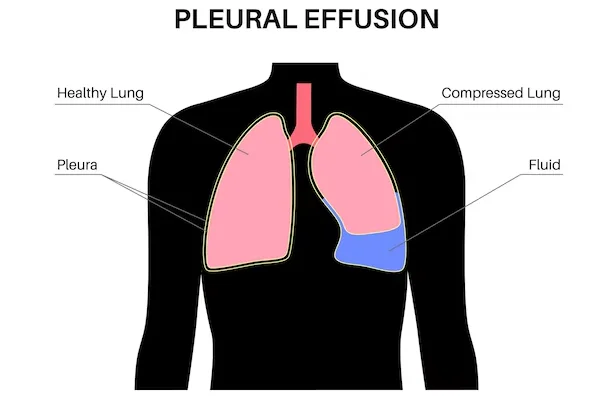
Pleural Effusion is a serious respiratory condition in which excess fluid accumulates in the pleural space — the area between the lungs and the chest wall. This fluid buildup can compress the lungs, making breathing difficult and causing chest discomfort, persistent cough, and reduced oxygen levels. Pleural Effusion may develop due to infections, tuberculosis, pneumonia, heart disease, liver disease, kidney disorders, lung cancer, or other underlying medical conditions. Early diagnosis and timely treatment are extremely important to prevent severe respiratory complications.
Dr. Gurmeet Singh Chabbra, a highly experienced Pulmonologist and Sleep Medicine Specialist with over 22 years of expertise, specializes in the diagnosis and management of Pleural Effusion and other complex respiratory diseases. He has been associated with leading healthcare institutions including Marengo Asia Hospital, Fortis Escorts Hospital, Indraprastha Apollo Hospital, AIIMS Delhi, and LRS Institute of TB & Respiratory Diseases. With extensive expertise in advanced pulmonary procedures such as Thoracoscopy, Bronchoscopy, EBUS-TBNA, TBLB Biopsy, and CT-guided interventions, Dr. Chabbra provides comprehensive and evidence-based respiratory care for patients suffering from pleural diseases.
His patient-centered approach, combined with advanced diagnostic techniques and modern treatment methods, helps patients recover faster and breathe more comfortably.
What is Pleural Effusion?
Pleural Effusion refers to the abnormal collection of fluid between the layers of the pleura, the thin membranes surrounding the lungs. Normally, a small amount of fluid is present to lubricate the lungs during breathing. However, when excessive fluid accumulates, it affects lung expansion and breathing function.
Pleural Effusion itself is not a disease but a sign of an underlying medical condition. The amount of fluid can vary from mild to severe and may sometimes become life-threatening if left untreated.
Pleural Effusions are broadly classified into:
Transudative Pleural Effusion
Usually caused by conditions affecting fluid balance in the body, such as:
- Heart failure
- Liver cirrhosis
- Kidney disease
Exudative Pleural Effusion
Occurs due to inflammation or infection and may result from:
- Tuberculosis
- Pneumonia
- Lung cancer
- Pulmonary infections
- Autoimmune diseases
Common Symptoms of Pleural Effusion
Symptoms may vary depending on the amount of fluid and the underlying cause. Common symptoms include:
- Shortness of breath
- Chest pain or heaviness
- Persistent cough
- Fever and chills
- Difficulty breathing while lying down
- Fatigue and weakness
- Reduced oxygen levels
- Rapid breathing
- Loss of appetite
- Unexplained weight loss
In some cases, small pleural effusions may not cause noticeable symptoms and are detected during routine imaging tests.
Causes of Pleural Effusion
Pleural Effusion can develop due to several medical conditions, including:
Respiratory Causes
- Tuberculosis (TB)
- Pneumonia
- Lung abscess
- Lung cancer
- Pulmonary embolism
- Interstitial Lung Diseases
Non-Respiratory Causes
- Congestive heart failure
- Liver cirrhosis
- Kidney disease
- Pancreatitis
- Autoimmune disorders
- Severe infections
Malignant Pleural Effusion
Fluid accumulation due to cancers affecting the lungs or pleura requires specialized pulmonary and oncological care.
Risk Factors for Pleural Effusion
Certain factors increase the risk of developing Pleural Effusion, including:
- Smoking
- Chronic lung disease
- Tuberculosis exposure
- Weak immune system
- Cancer
- Chronic heart disease
- Kidney or liver disorders
- Advanced age
- Occupational exposure to pollutants or asbestos
Advanced Diagnosis of Pleural Effusion
Accurate diagnosis is essential to identify the cause of Pleural Effusion and determine the appropriate treatment plan. Dr. Gurmeet Singh Chabbra uses advanced diagnostic tools and pulmonary procedures for precise evaluation.
Diagnostic tests may include:
- Chest X-ray
- High-Resolution CT Scan (HRCT Chest)
- Ultrasound of the chest
- Pleural fluid analysis
- Blood investigations
- Pulmonary Function Tests (PFT)
- Bronchoscopy
- Thoracoscopy
- Pleural biopsy
- EBUS-TBNA
- CT-guided procedures
These advanced investigations help identify infections, tuberculosis, cancer, inflammatory conditions, or other underlying causes.
Treatment for Pleural Effusion
Treatment depends on the severity of fluid accumulation and the underlying medical condition causing the effusion.
Medications
- Antibiotics for infections
- Anti-tubercular therapy (ATT) for TB-related effusion
- Diuretics for heart failure-related effusion
- Anti-inflammatory medications
- Supportive respiratory therapy
Pleural Fluid Drainage (Thoracentesis)
A procedure used to remove excess fluid from the pleural space to relieve breathing difficulty and improve lung expansion.
Chest Tube Drainage
In cases of large or infected pleural effusion, a chest tube may be inserted for continuous fluid drainage.
Thoracoscopy
Dr. Chabbra specializes in medical thoracoscopy, an advanced minimally invasive procedure used for:
- Diagnosing pleural diseases
- Removing fluid
- Obtaining pleural biopsies
- Managing recurrent pleural effusions
Management of Underlying Disease
Treating the primary condition such as tuberculosis, pneumonia, lung cancer, or heart failure is crucial for long-term recovery.
Oxygen Therapy and Critical Care
Patients with severe breathing difficulty or low oxygen levels may require oxygen support or intensive respiratory care.
Complications of Untreated Pleural Effusion
If Pleural Effusion is not treated on time, it may lead to serious complications such as:
- Severe breathing difficulty
- Lung collapse
- Pleural infection (Empyema)
- Respiratory failure
- Permanent lung damage
- Sepsis
- Reduced oxygen supply to the body
Early pulmonary consultation can help prevent these life-threatening complications.
Why Choose Dr. Gurmeet Singh Chabbra for Pleural Effusion Treatment?
Extensive Pulmonology Experience
Over 22 years of expertise in managing complex respiratory and pleural diseases.
Advanced Pulmonary Procedures
Expertise in:
- Thoracoscopy
- Bronchoscopy
- EBUS-TBNA
- TBLB Biopsy
- CT-guided respiratory procedures
Association with Leading Hospitals
Worked with prestigious institutions such as:
- Marengo Asia Hospital
- Fortis Escorts Hospital
- Indraprastha Apollo Hospital
- AIIMS Delhi
- LRS Institute of TB & Respiratory Diseases
Specialized Respiratory and Critical Care
Experienced in managing critically ill respiratory patients and complicated pleural diseases.
Evidence-Based and Personalized Treatment
Provides customized treatment plans using modern diagnostic and therapeutic approaches.
Compassionate Patient Care
Focused on improving breathing comfort, faster recovery, and long-term respiratory health.
Prevention Tips for Pleural Effusion
While all cases cannot be prevented, certain measures can reduce the risk:
- Avoid smoking
- Seek early treatment for lung infections
- Complete TB treatment properly
- Manage heart, liver, and kidney diseases effectively
- Maintain regular respiratory check-ups
- Avoid exposure to harmful pollutants and chemicals
- Maintain a strong immune system through healthy lifestyle habits
Frequently Asked Questions (FAQs)
1. What are the symptoms of Pleural Effusion?
Common symptoms include shortness of breath, chest pain, persistent cough, fever, and breathing difficulty.
2. Is Pleural Effusion dangerous?
Yes, if left untreated, it can lead to severe breathing problems, lung collapse, infections, and respiratory failure.
3. What causes Pleural Effusion?
It may occur due to tuberculosis, pneumonia, lung cancer, heart failure, liver disease, kidney disease, or other infections.
4. How is Pleural Effusion diagnosed?
Diagnosis involves chest imaging, pleural fluid analysis, bronchoscopy, thoracoscopy, and other advanced pulmonary investigations.
5. Can Pleural Effusion be treated completely?
Yes, many cases can be effectively treated if the underlying cause is identified and managed early.
6. What is thoracentesis?
Thoracentesis is a procedure used to remove excess pleural fluid to relieve breathing difficulty and help diagnose the condition.
7. Is surgery required for Pleural Effusion?
Some severe or recurrent cases may require thoracoscopy or surgical intervention, depending on the underlying cause.
8. When should I consult a pulmonologist?
You should seek immediate medical consultation if you experience persistent breathlessness, chest pain, chronic cough, or unexplained respiratory symptoms.