Interstitial Lung Diseases
Interstitial Lung Diseases
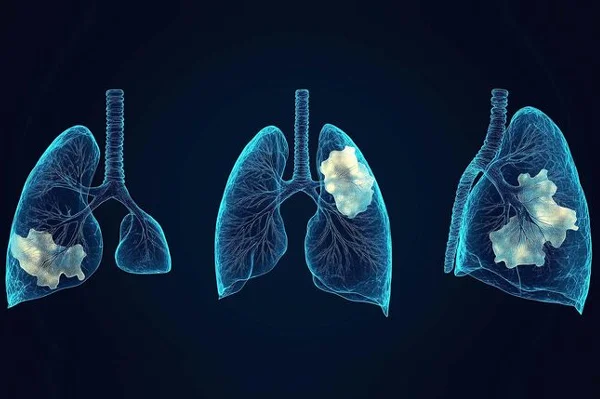
Interstitial Lung Diseases (ILD) are a group of chronic and progressive lung disorders that cause inflammation and scarring (fibrosis) of the lung tissues. These diseases affect the interstitium, the delicate tissue surrounding the air sacs of the lungs, making it difficult for oxygen to pass into the bloodstream. Over time, ILD can lead to breathing difficulties, reduced oxygen levels, chronic cough, fatigue, and permanent lung damage if not diagnosed and treated early.
Dr. Gurmeet Singh Chabbra, a highly experienced Pulmonologist and Sleep Medicine Specialist with more than 22 years of expertise, provides advanced diagnosis and comprehensive treatment for various Interstitial Lung Diseases. Having served at prestigious institutions like Marengo Asia Hospital, Fortis Escorts Hospital, Indraprastha Apollo Hospital, AIIMS Delhi, and LRS Institute of TB & Respiratory Diseases, Dr. Chabbra is recognized for his excellence in managing complex respiratory disorders using evidence-based and patient-focused care.
With extensive experience in advanced pulmonary procedures such as Bronchoscopy, EBUS-TBNA, Thoracoscopy, TBLB Biopsy, CT-guided procedures, and critical respiratory care, Dr. Chabbra offers personalized treatment plans aimed at improving breathing, slowing disease progression, and enhancing quality of life for ILD patients.
What are Interstitial Lung Diseases?
Interstitial Lung Diseases are a large group of lung disorders that mainly affect the interstitial tissues of the lungs. In ILD, the lung tissue becomes inflamed and scarred, causing stiffness in the lungs and difficulty in breathing. The scarring may gradually worsen and permanently reduce lung function if left untreated.
ILD can occur due to several causes, including:
- Autoimmune diseases such as Rheumatoid Arthritis or Scleroderma
- Long-term exposure to dust, chemicals, asbestos, or pollutants
- Smoking-related lung damage
- Certain medications or radiation therapy
- Occupational lung diseases
- Genetic or inherited factors
- Unknown causes (Idiopathic Pulmonary Fibrosis)
Early detection is extremely important because many forms of ILD can progress silently before symptoms become severe.
Common Symptoms of Interstitial Lung Diseases
Patients suffering from ILD may experience:
- Persistent dry cough
- Shortness of breath during activity or even at rest
- Chest discomfort or tightness
- Fatigue and weakness
- Unexplained weight loss
- Reduced exercise tolerance
- Low oxygen levels
- Bluish discoloration of lips or fingers
- Clubbing of fingers in advanced cases
These symptoms often develop gradually, making timely consultation with a pulmonologist essential.
Types of Interstitial Lung Diseases Treated
Dr. Gurmeet Singh Chabbra specializes in diagnosing and treating various forms of ILD, including:
Idiopathic Pulmonary Fibrosis (IPF)
A progressive lung disease characterized by severe scarring of lung tissues without a known cause.
Hypersensitivity Pneumonitis
Inflammation caused by repeated exposure to environmental allergens like bird proteins, mold, or dust.
Sarcoidosis
An inflammatory disease that affects multiple organs, especially the lungs and lymph nodes.
Connective Tissue Disease-associated ILD
Lung involvement due to autoimmune conditions such as Rheumatoid Arthritis, Lupus, or Scleroderma.
Occupational Lung Diseases
Lung fibrosis caused by prolonged exposure to silica dust, asbestos, coal dust, or industrial chemicals.
Drug-induced ILD
Lung damage resulting from certain medications or radiation therapy.
Causes and Risk Factors of ILD
Several factors may increase the risk of developing Interstitial Lung Diseases, including:
- Smoking
- Exposure to industrial dust and chemicals
- Environmental pollution
- Autoimmune disorders
- Family history of lung diseases
- Chronic infections
- Radiation therapy
- Certain medications
- Occupational hazards
Individuals working in factories, construction sites, mining industries, or environments with heavy dust exposure are at a higher risk.
Advanced Diagnosis of Interstitial Lung Diseases
Accurate diagnosis is crucial for proper management of ILD. Dr. Gurmeet Singh Chabbra uses advanced diagnostic techniques to identify the type and severity of lung disease.
Diagnostic procedures may include:
- Pulmonary Function Tests (PFT)
- High-Resolution CT Scan (HRCT Chest)
- Chest X-rays
- Oxygen saturation assessment
- Bronchoscopy
- TBLB (Transbronchial Lung Biopsy)
- EBUS-TBNA
- Blood investigations for autoimmune diseases
- Six-minute walk test
- Sleep studies if associated breathing disorders are suspected
Early and precise diagnosis helps initiate timely treatment and prevents irreversible lung damage.
Treatment for Interstitial Lung Diseases
Treatment for ILD depends on the type, severity, and progression of the disease. The primary goal is to reduce inflammation, slow fibrosis, improve breathing, and maintain lung function.
Medications
- Anti-fibrotic medicines
- Corticosteroids
- Immunosuppressive therapy
- Antibiotics if infection is present
- Oxygen therapy support
Pulmonary Rehabilitation
Special breathing exercises and rehabilitation programs help improve lung efficiency, stamina, and quality of life.
Oxygen Therapy
Patients with low oxygen levels may require oxygen support to improve breathing and prevent complications.
Advanced Pulmonary Procedures
Dr. Chabbra is highly skilled in advanced procedures like:
- Bronchoscopy
- Thoracoscopy
- TBLB Biopsy
- EBUS-TBNA
- CT-guided lung procedures
Lifestyle Management
Patients are advised regarding:
- Smoking cessation
- Nutritional support
- Vaccinations
- Infection prevention
- Exercise and breathing techniques
Critical Care Support
For severe or advanced ILD cases, specialized respiratory and critical care management may be required.
Why Early Treatment is Important
Without timely treatment, Interstitial Lung Diseases can lead to:
- Permanent lung fibrosis
- Respiratory failure
- Pulmonary hypertension
- Reduced oxygen supply to organs
- Severe breathing disability
- Reduced life expectancy
Early diagnosis and expert pulmonary care can significantly slow disease progression and improve long-term outcomes.
Why Choose Dr. Gurmeet Singh Chabbra for ILD Treatment?
Vast Clinical Experience
Over 22 years of expertise in Pulmonology, Sleep Medicine, and Critical Respiratory Care.
Advanced Diagnostic Expertise
Specialized in Bronchoscopy, EBUS-TBNA, Thoracoscopy, TBLB Biopsy, and CT-guided procedures.
Association with Top Medical Institutions
Worked with leading healthcare centers including:
- Marengo Asia Hospital
- Fortis Escorts Hospital
- Indraprastha Apollo Hospital
- AIIMS Delhi
- LRS Institute of TB & Respiratory Diseases
Evidence-Based Treatment
Uses the latest medical advancements and internationally accepted treatment protocols.
Comprehensive Respiratory Care
Provides complete management for ILD, COPD, Asthma, Lung Cancer, Sleep Disorders, Pleural Diseases, and other respiratory conditions.
Patient-Centric Approach
Focuses on personalized care, long-term disease management, and improving patients’ quality of life.
Preventive Measures for Interstitial Lung Diseases
Although all ILDs cannot be prevented, certain precautions can reduce the risk:
- Avoid smoking and passive smoking
- Use protective masks in dusty environments
- Minimize exposure to industrial chemicals
- Seek treatment for autoimmune diseases
- Get regular lung check-ups if exposed to pollutants
- Follow respiratory safety guidelines at workplaces
- Maintain a healthy lifestyle and immune system
Frequently Asked Questions (FAQs)
1. What are the early signs of Interstitial Lung Disease?
Early symptoms usually include persistent dry cough, shortness of breath, fatigue, and reduced exercise tolerance.
2. Is Interstitial Lung Disease curable?
Some forms of ILD can be managed effectively if diagnosed early. While scarring may not always be reversible, treatment can slow disease progression and improve symptoms.
3. Can smoking cause ILD?
Yes, smoking is a major risk factor for several types of Interstitial Lung Diseases and can worsen existing lung damage.
4. How is ILD diagnosed?
ILD is diagnosed using HRCT chest scans, pulmonary function tests, bronchoscopy, biopsies, blood tests, and clinical evaluation.
5. When should I consult a pulmonologist for ILD?
You should consult a pulmonologist if you experience persistent cough, unexplained breathlessness, chest discomfort, or prolonged respiratory symptoms.
6. Can ILD affect daily life?
Yes, advanced ILD can limit physical activity and breathing capacity, but timely treatment and pulmonary rehabilitation can significantly improve quality of life.
7. Is oxygen therapy necessary for ILD patients?
Some patients with low oxygen levels may require oxygen therapy to support breathing and improve overall health.
8. Can ILD lead to serious complications?
If untreated, ILD can cause severe lung fibrosis, respiratory failure, pulmonary hypertension, and other life-threatening complications.