COPD
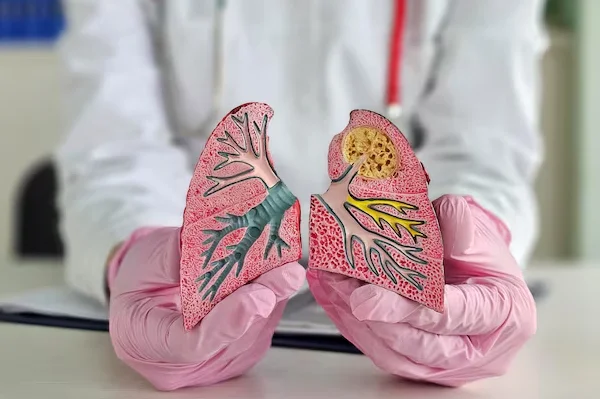
COPD
Chronic Obstructive Pulmonary Disease (COPD) is a progressive lung disease that causes difficulty in breathing due to blockage and narrowing of the airways. It is one of the most common chronic respiratory conditions affecting millions of people worldwide, especially smokers and individuals exposed to long-term air pollution or harmful chemicals. COPD gradually reduces lung function and can significantly impact daily activities and quality of life if not managed properly.
At Wadhwan Health Care Centre, comprehensive COPD treatment and long-term respiratory care are provided using advanced diagnostic techniques and evidence-based treatment methods. The goal is to reduce symptoms, improve breathing capacity, prevent disease progression, and help patients lead healthier and more active lives. With expert pulmonary care, personalized treatment plans, and modern respiratory therapies, patients receive complete support for managing COPD effectively.
What Is COPD?
COPD stands for Chronic Obstructive Pulmonary Disease, a long-term inflammatory lung condition that obstructs airflow from the lungs. It mainly includes two major conditions:
- Chronic Bronchitis – inflammation and excessive mucus production in the airways
- Emphysema – damage to the air sacs (alveoli) in the lungs
These conditions reduce the lungs’ ability to exchange oxygen properly, making breathing difficult over time.
COPD usually develops gradually and worsens if left untreated. Early diagnosis and proper management can significantly improve symptoms and slow disease progression.
Causes of COPD
COPD commonly develops due to prolonged exposure to irritants that damage the lungs and airways.
Smoking
Cigarette smoking is the leading cause of COPD. Long-term smoking damages the lungs and causes chronic airway inflammation.
Air Pollution
Continuous exposure to polluted air, industrial fumes, dust, and smoke increases the risk of developing COPD.
Occupational Exposure
People working in industries involving chemicals, dust, mining, construction, or fumes are more likely to develop respiratory damage.
Passive Smoking
Regular exposure to secondhand smoke can also contribute to COPD.
Genetic Factors
Certain inherited conditions, such as Alpha-1 Antitrypsin Deficiency, may increase the risk of COPD.
Symptoms of COPD
COPD symptoms often develop slowly and worsen over time. Common symptoms include:
- Persistent cough
- Excess mucus or sputum production
- Shortness of breath
- Wheezing
- Chest tightness
- Frequent respiratory infections
- Fatigue and weakness
- Difficulty performing physical activities
- Bluish lips or fingernails in severe cases
Symptoms may initially appear mild but can become severe without proper treatment.
Types of COPD
Chronic Bronchitis
This condition involves chronic inflammation of the airways with mucus production and persistent cough lasting for several months.
Emphysema
Emphysema causes damage to the air sacs in the lungs, reducing oxygen exchange and making breathing difficult.
Risk Factors for COPD
People at higher risk of COPD include:
- Smokers and former smokers
- Individuals exposed to pollution or dust
- People with chronic respiratory infections
- Workers exposed to industrial chemicals or fumes
- Individuals with family history of lung disease
- Older adults
Avoiding risk factors and early medical intervention are essential for protecting lung health.
Diagnosis of COPD
Accurate diagnosis helps determine the severity of the disease and guides effective treatment planning.
Pulmonary Function Test (PFT)
This is the most important test used to assess lung capacity and airflow obstruction.
Chest X-ray and CT Scan
Imaging studies help identify lung damage and rule out other respiratory conditions.
Oxygen Level Assessment
Pulse oximetry and arterial blood gas tests evaluate oxygen levels in the body.
Sputum Examination
Used to identify infections or inflammation affecting the lungs.
Physical Examination and Medical History
The doctor evaluates symptoms, smoking history, and overall respiratory health.
COPD Treatment Options
Although COPD cannot always be completely cured, proper treatment can effectively control symptoms, improve breathing, and prevent complications.
Inhaler Therapy
Bronchodilator and steroid inhalers help open the airways and reduce inflammation.
Nebulization Therapy
Nebulizers deliver medication directly into the lungs for faster relief during breathing difficulty.
Oxygen Therapy
Patients with low oxygen levels may require oxygen support to improve breathing and body oxygenation.
Pulmonary Rehabilitation
Pulmonary rehabilitation includes breathing exercises, physical activity training, nutritional guidance, and lifestyle counseling to improve lung function and overall fitness.
Medications
Doctors may prescribe antibiotics, anti-inflammatory medicines, mucolytics, or other respiratory medications depending on the patient’s condition.
CPAP/BiPAP Support
Advanced non-invasive ventilation support helps patients with severe breathing difficulty or sleep-related respiratory problems.
Smoking Cessation Counseling
Quitting smoking is one of the most important steps in slowing COPD progression and protecting lung function.
Complications of Untreated COPD
If left untreated, COPD may lead to serious health complications such as:
- Respiratory failure
- Frequent lung infections
- Pulmonary hypertension
- Heart problems
- Reduced oxygen supply to organs
- Severe disability due to breathlessness
Early and continuous treatment helps reduce the risk of complications.
Benefits of Early COPD Treatment
- Improved breathing capacity
- Better oxygen levels
- Reduced breathlessness
- Fewer hospital admissions
- Better quality of life
- Improved physical activity tolerance
- Prevention of disease progression
- Better sleep and daily functioning
Timely pulmonary care can significantly improve long-term respiratory health.
Lifestyle Tips for COPD Patients
Patients with COPD are advised to:
- Quit smoking completely
- Avoid polluted environments
- Exercise regularly as advised
- Stay hydrated
- Maintain a healthy diet
- Take medications regularly
- Get vaccinated against flu and pneumonia
- Practice breathing exercises
Healthy lifestyle changes play an important role in managing COPD effectively.
Why Choose Wadhwan Health Care Centre for COPD Treatment?
- Experienced pulmonology specialists
- Advanced respiratory diagnostic facilities
- Personalized COPD management plans
- Modern inhalation and oxygen therapies
- Expertise in severe and advanced COPD care
- Pulmonary rehabilitation support
- Patient-focused and evidence-based treatment
- Comprehensive long-term respiratory care
The center is dedicated to helping patients manage chronic lung diseases with advanced medical care and compassionate support.
Frequently Asked Questions (FAQs)
1. What is COPD?
COPD is a chronic lung disease that causes airflow blockage and breathing difficulties due to damaged lungs and airways.
2. What is the main cause of COPD?
Smoking is the most common cause of COPD, although pollution, dust, and chemical exposure also contribute significantly.
3. Can COPD be cured completely?
COPD cannot always be completely cured, but proper treatment can effectively control symptoms and slow disease progression.
4. What are the early symptoms of COPD?
Persistent cough, mucus production, wheezing, and shortness of breath are common early symptoms.
5. Is COPD dangerous?
Yes, untreated COPD can lead to serious breathing problems, infections, heart complications, and respiratory failure.
6. How is COPD diagnosed?
COPD is diagnosed using pulmonary function tests, chest imaging, oxygen level assessment, and clinical evaluation.
7. Can exercise help COPD patients?
Yes, supervised exercise and pulmonary rehabilitation improve breathing capacity and physical endurance.
8. Why is smoking cessation important in COPD?
Quitting smoking slows lung damage, improves treatment effectiveness, and helps protect remaining lung function.