Bronchoscopy
Bronchoscopy
Bronchoscopy is an advanced diagnostic and therapeutic pulmonary procedure used to examine the airways and lungs in detail. It allows pulmonologists to directly visualize the trachea, bronchi, and respiratory passages using a thin flexible tube called a bronchoscope. This procedure plays a vital role in diagnosing infections, lung diseases, tumors, airway blockages, chronic cough, and unexplained respiratory symptoms.
At Wadhwan Health Care Centre, bronchoscopy is performed using modern technology and advanced pulmonary expertise to ensure accurate diagnosis and effective respiratory care. The procedure helps detect complex lung conditions at an early stage and supports targeted treatment planning for better patient outcomes. With experienced specialists and patient-focused care, the center provides safe and minimally invasive bronchoscopy services for various respiratory disorders.
What Is Bronchoscopy?
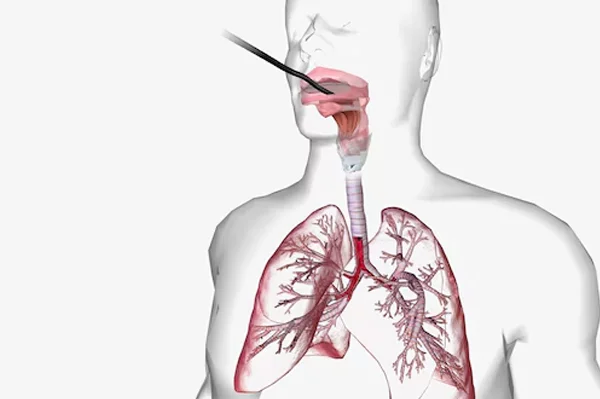
Bronchoscopy is a medical procedure in which a flexible tube equipped with a camera and light source is inserted through the nose or mouth into the airways and lungs. The bronchoscope allows the doctor to view the internal structures of the respiratory system in real-time.
During the procedure, tissue samples, mucus, or fluid may also be collected for laboratory testing. Bronchoscopy can help diagnose infections, inflammation, tumors, lung damage, airway narrowing, and many other pulmonary conditions.
In some cases, bronchoscopy is also used for treatment purposes such as removing mucus plugs, foreign bodies, or airway obstructions.
Why Is Bronchoscopy Performed?
Bronchoscopy is recommended for patients with unexplained respiratory symptoms or abnormal imaging findings. It helps identify the exact cause of lung and airway problems.
Common reasons for bronchoscopy include:
- Persistent or chronic cough
- Coughing up blood
- Lung infections
- Suspicious chest X-ray or CT scan findings
- Lung tumors or cancer evaluation
- Difficulty breathing
- Airway blockage
- Tuberculosis diagnosis
- Interstitial lung diseases
- Unexplained wheezing
- Collection of lung tissue samples
The procedure provides direct visualization of the airways, making it highly valuable in respiratory disease diagnosis and management.
Conditions Diagnosed Through Bronchoscopy
Lung Cancer
Bronchoscopy helps detect lung tumors and obtain biopsy samples for accurate diagnosis and cancer staging.
Tuberculosis (TB)
The procedure is commonly used to diagnose pulmonary tuberculosis, especially when sputum tests are inconclusive.
Chronic Lung Infections
Bronchoscopy helps identify bacterial, fungal, or viral infections affecting the lungs and airways.
Interstitial Lung Diseases (ILD)
Tissue samples collected during bronchoscopy help diagnose inflammatory and fibrotic lung diseases.
Airway Obstruction
It helps detect narrowing or blockage caused by tumors, mucus plugs, swelling, or foreign bodies.
Persistent Cough and Bleeding
Bronchoscopy identifies the source of chronic cough or bleeding from the respiratory tract.
Types of Bronchoscopy
Flexible Bronchoscopy
Flexible bronchoscopy is the most commonly performed procedure. A thin flexible tube is used to examine the airways comfortably under local anesthesia and sedation.
Rigid Bronchoscopy
Rigid bronchoscopy uses a straight metal tube and is generally performed under general anesthesia for specific conditions such as severe airway blockage or removal of large foreign bodies.
Bronchoscopy Procedure
Before the Procedure
Patients are advised to:
- Avoid eating or drinking for several hours before the test
- Inform the doctor about medications and allergies
- Stop certain blood-thinning medicines if recommended
- Arrange transportation after the procedure due to sedation effects
During the Procedure
- The patient receives local anesthesia and mild sedation for comfort.
- The bronchoscope is inserted through the nose or mouth into the lungs.
- The doctor examines the airways and lungs using a camera.
- Tissue, mucus, or fluid samples may be collected if needed.
- The bronchoscope is carefully removed after examination.
The procedure usually takes around 20–45 minutes.
After the Procedure
Patients are monitored for a short period before discharge. Mild throat irritation, cough, or temporary numbness may occur but usually improves within a few hours.
Benefits of Bronchoscopy
Accurate Diagnosis
Bronchoscopy provides direct visualization of the lungs and airways for precise diagnosis.
Minimally Invasive
The procedure avoids major surgery and allows quick recovery.
Early Disease Detection
Helps detect lung cancer, infections, and airway diseases at an early stage.
Tissue Sampling
Biopsy and laboratory testing help identify the exact cause of respiratory problems.
Therapeutic Uses
Bronchoscopy can remove mucus plugs, secretions, and airway obstructions.
Better Treatment Planning
Accurate diagnosis supports effective and personalized treatment decisions.
Advanced Bronchoscopy Procedures
TBLB Biopsy (Transbronchial Lung Biopsy)
A small tissue sample is collected from lung tissue for diagnosing interstitial lung diseases, infections, and tumors.
Bronchoalveolar Lavage (BAL)
Fluid is introduced and recollected from the lungs to diagnose infections and inflammatory diseases.
EBUS Bronchoscopy
Combines ultrasound guidance with bronchoscopy for lymph node and lung mass biopsy.
Risks and Complications
Bronchoscopy is generally a safe procedure when performed by experienced specialists. Minor risks may include:
- Mild bleeding
- Temporary sore throat
- Fever
- Cough
- Breathing discomfort
- Rare infection or pneumothorax
Advanced monitoring and expert care help minimize complications.
Recovery After Bronchoscopy
Most patients recover quickly after bronchoscopy. Patients are generally advised to:
- Rest for the day after the procedure
- Avoid eating until throat numbness disappears
- Drink fluids to soothe throat irritation
- Follow medication and follow-up instructions carefully
Normal activities can usually be resumed within 24 hours.
Why Choose Wadhwan Health Care Centre for Bronchoscopy?
- Experienced pulmonology specialists
- Advanced bronchoscopy technology
- Expertise in lung disease diagnosis and treatment
- Safe and minimally invasive procedures
- Personalized patient care
- Comprehensive pulmonary diagnostic services
- Modern respiratory care facilities
- Accurate and timely diagnostic reporting
The center is dedicated to providing advanced pulmonary diagnostics with safety, precision, and compassionate patient care.
Frequently Asked Questions (FAQs)
1. Is bronchoscopy painful?
Bronchoscopy is usually performed under local anesthesia and sedation, making the procedure comfortable for most patients.
2. How long does bronchoscopy take?
The procedure generally takes about 20–45 minutes depending on the condition being evaluated.
3. Why is bronchoscopy recommended?
It is recommended to diagnose lung infections, chronic cough, lung cancer, airway blockage, and unexplained respiratory symptoms.
4. Is hospitalization required after bronchoscopy?
Most patients can return home the same day after a short observation period.
5. Can bronchoscopy detect lung cancer?
Yes, bronchoscopy helps identify lung tumors and allows biopsy collection for cancer diagnosis.
6. What is a bronchoscopy biopsy?
A biopsy involves collecting a small tissue sample during bronchoscopy for laboratory examination.
7. Are there any side effects after bronchoscopy?
Mild throat irritation, cough, or temporary hoarseness may occur but usually resolves quickly.
8. Is bronchoscopy safe?
Yes, bronchoscopy is considered a safe and commonly performed pulmonary procedure when conducted by experienced specialists.